News

The Problem with Palm Oil

2018-12-01T09:43:24+02:00

The Problem with Palm Oil

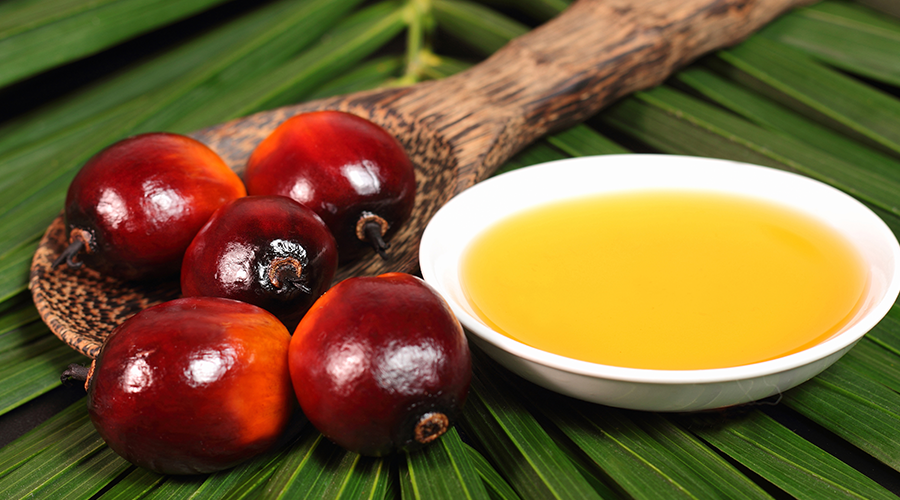
Palm oil is derived from the palm tree, which is only grown in tropical areas. The oil, which is usually of a high-quality produced from these trees is predominantly utilised for cooking in developing countries. However, that being said – palm oil can be found in many other unexpected everyday products. These include food products, cosmetics, detergents and more. Palm oil’s popularity lies in its continuously high yielding crops – much more so than other frequently used vegetable oils, and at a lower cost – making it even more popular. Palm tree plantations are especially prevalent in Africa, Asia and Latin America, with its global demand increasing exponentially. According […]


The Problem with Palm Oil2018-12-01T09:43:24+02:00

Black Friday and its black mark on the environment

2018-12-01T09:21:18+02:00

Black Friday and its black mark on the environment

Black Friday is an annual sale-filled shopping bonanza that occurs the Friday after Thanksgiving in the United States. It is a day filled with extreme price cuts and even more extreme shopper behaviour. The sale kicks off just after midnight and runs for the duration of the day. You will be hard pressed to find a store, whether bricks-and-mortar, or online that doesn’t participate in Black Friday. However, although Black Friday’s origins lie in the U.S., the holiday has also infiltrated the United Kingdom as well as South Africa. Holiday shoppers capitalise on Black Friday’s deals which often run into the weekend until ‘Cyber Monday’ when […]

Black Friday and its black mark on the environment2018-12-01T09:21:18+02:00

Caffeine Fiend of Caffeine Friend

2018-12-01T08:58:41+02:00

Caffeine Fiend of Caffeine Friend

A cup of coffee forms a crucial part of many peoples’ morning as well as daily routines. However the morning ‘cuppa Joe’ is not a firm favourite for everyone, and that may have a lot more to do with just personal preference and taste. For some, a cup of coffee provides the welcome and essential boost needed to get through the day. For others however, even the smallest amount of caffeine found in coffee can cause a serious case of the jitters or a night destined to be sleep-less. Why does caffeine affect some, and not others? As it turns out – the answer could very well lie in your genetic […]

Caffeine Fiend of Caffeine Friend2018-12-01T08:58:41+02:00

Remember, remember the 5th of November

2018-12-01T08:57:57+02:00

Remember, Remember The 5th of November

“Remember, remember, the Fifth of November, Gunpowder treason and plot, I see no reason why gunpowder treason should ever be forgot” is one of a few well-known rhymes associated with Guy Fawkes and the Gunpowder plot of 1605. Guy Fawkes’ infamy was a result of the failed plot that was meant to be actioned on the 5th of November 1605. Another verse of the rhyme details Guy Fawkes’ involvement in the plot: “Guy Fawkes, Guy Fawkes, ’twas his intent to blow up the King and the Parliament. Three score barrels of powder below Poor old England to overthrow”.

The Gunpowder Plot was organised by Robert Catesby in “an effort to end […]

Remember, remember the 5th of November2018-12-01T08:57:57+02:00

FMT, what’s the big stink about?

2018-09-25T13:59:53+02:00

FMT, what’s the big stink about?

Faecal Microbial Transplantations, a term which will have many scratching their heads thinking that this cannot possibly mean what it sounds like, let alone be a legitimate transplantation procedure – or even more surprising, is that it is a very successful one. Faecal Microbial Transplantations (FMT) or bacteriotherapy as it is sometimes known; is the process of transferring “stool from a healthy donor into the gastrointestinal tract for the purpose of treating recurrent C. difficile colitis” (Johns Hopkins Medicine). C. difficile colitis is responsible for disturbing the normal production of bacterial flora in the gut, which in turn allows for the release of toxins that cause “mucosal inflammation and damage” […]

FMT, what’s the big stink about?2018-09-25T13:59:53+02:00

It’s called adulteration, honey

2018-09-25T12:52:39+02:00

It’s called adulteration, honey

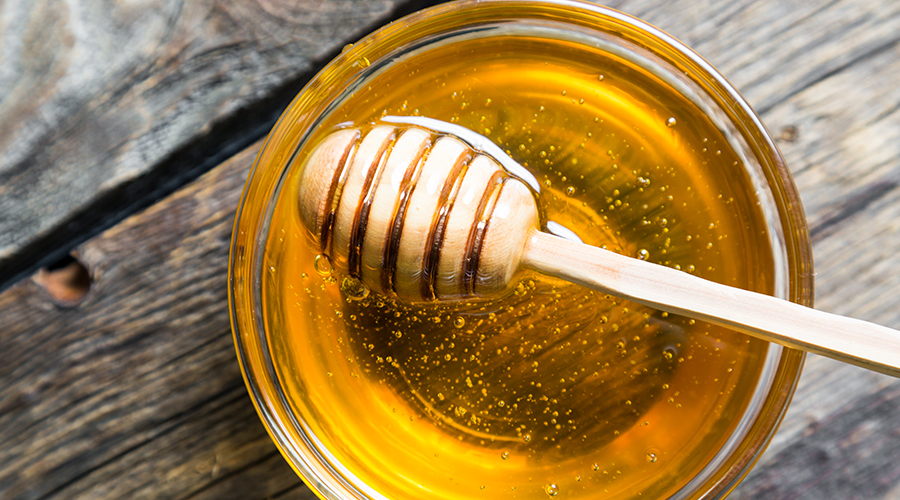
Adulterated honey, also known as fake honey is ‘honey’ which has been diluted with, or sometimes even created by using the following components: glucose, dextrose, molasses, sugar syrup, invert sugar, flour, corn syrup and starch, essentially anything other than the natural floral nectar that it is supposed to be comprised of. Adulterated honey is a substance that has more of an artificial influence then a natural one, however, it is packaged, marketed and represented as the ‘real deal’ – a product naturally produced by bees and harvested by farmers. Recently, it has come to light that South African bee farmers have been producing honey that has been adulterated with sugar and other […]

It’s called adulteration, honey2018-09-25T12:52:39+02:00

Manic cow: how biltong affects the brain

2018-09-25T12:53:58+02:00

Manic cow: how biltong affects the brain

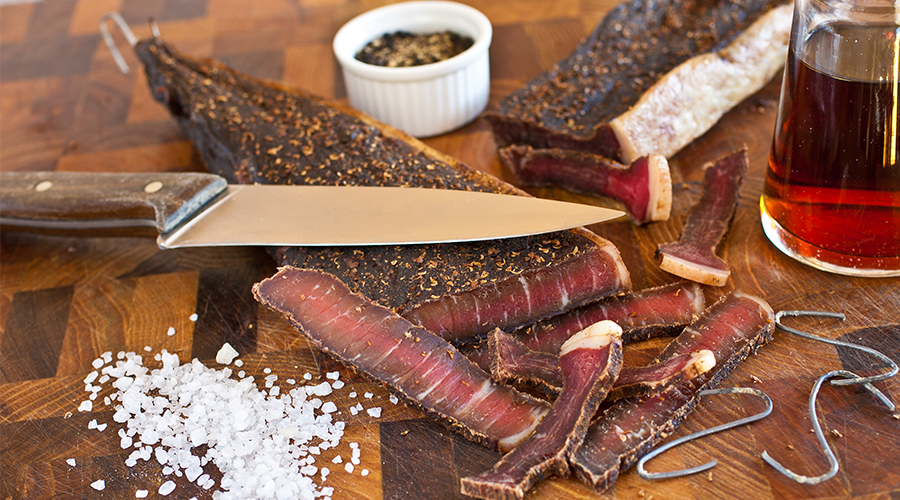
Biltong is a firm South African family favourite consisting of dried, cured meat. It is preserved using sodium nitrite or potassium nitrate – also known as saltpetre as well as other flavourants such as pepper, coriander and spices such as cloves. Biltong’s origins can be traced back to the Khoisan people, as well as the European settlers of the 17th century. Each had their own way of preserving meat pre-refrigeration technology. The preservation methods included slicing the meat, salting it and hanging it up to dry, as well as using vinegar as part of the curing process. The use of saltpetre, as well as vinegar in the curing of […]

Manic cow: how biltong affects the brain2018-09-25T12:53:58+02:00

The problematic poaching of Pangolins

2018-09-04T10:43:52+02:00

The problematic poaching of Pangolins

The practice of poaching is abhorrently prevalent across the world and across animal species and has been successful in endangering, if not obliterating entire species. South Africa’s national reserves have become home to poachers on the hunt for popular and pricey illegal exports: namely rhino horns, elephant tusks, big cat body parts and bones as well as pangolin scales. Although South Africa’s poaching is largely associated with the rapidly diminishing rhino population as well as elephants, it is actually the pangolin that is the most poached animal not just locally but in the world. Pangolins are small, scaly nocturnal mammals that subsist on a diet of ants and termites. […]

The problematic poaching of Pangolins2018-09-04T10:43:52+02:00

‘Snow White’ syndrome: far from a fairy-tale

2018-09-04T10:33:41+02:00

‘Snow White’ syndrome: far from a fairy-tale

Resignation syndrome is an interesting and unique, relatively little-known dissociative syndrome that eventually “induces a catatonic state” in the sufferer. The syndrome is prevalent amongst young people; particularly those who have suffered a psychological trauma- the patients affected by the disorder predominantly live in Sweden and come from refugee or immigrant–based families, often those who have been faced with deportation or family separation. Resignation syndrome is considered by most to be a culture-based illness as thus far it is believed to exist only in Sweden and only amongst asylum-seeking refugees. Also known as the ‘Snow White’ syndrome as termed by Dr Elisabeth Hultcrantz, an ear-nose-and-throat doctor who […]

‘Snow White’ syndrome: far from a fairy-tale2018-09-04T10:33:41+02:00

What’s up with wasabi?

2018-09-04T10:56:29+02:00

What’s up with wasabi?

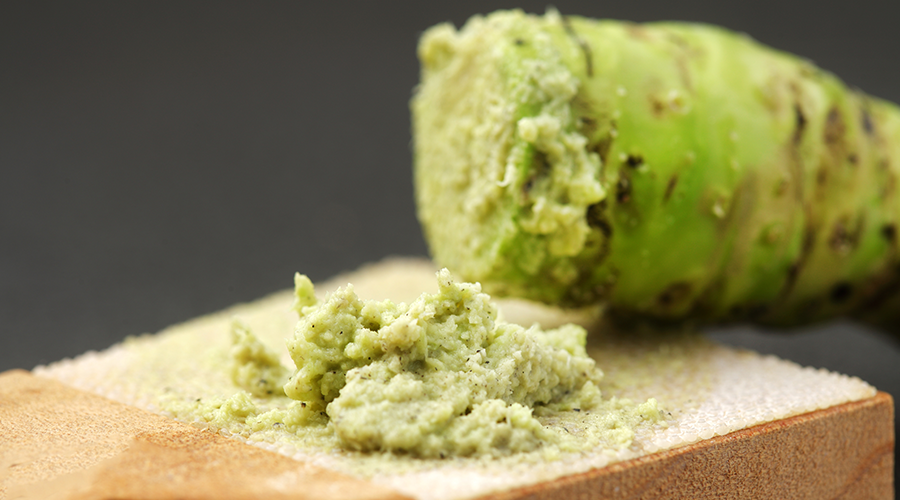
Wasabi, also known officially as wasabia japonica, Japanese horseradish, or more traditionally ワサビ, is a plant that shares common traits with horseradish, cabbage and mustard, as they come from the same plant family, namely the Brassicaceae family. Wasabi has its origin in Japan and usually grows alongside rocky, water-rich areas such as mountain river valleys as well as streams. Wasabi has long been a part of traditional Japanese cuisine and is particularly associated with sushi and sashimi. In its most common form, wasabi is consumed as a paste that can be utilised in the food process such as sushi rolling, or as an accompaniment on the side. It is known principally […]

What’s up with wasabi?2018-09-04T10:56:29+02:00
Go to Top