

FMT, what’s the big stink about?
FMT, what’s the big stink about? Faecal Microbial Transplantations, a term which will have many scratching their heads thinking that this cannot possibly mean what it sounds like, let alone be a legitimate transplantation procedure – or even more surprising, is that it is a very successful one. Faecal Microbial Transplantations (FMT) or bacteriotherapy as it is sometimes known; is the process of transferring “stool from a healthy donor into the gastrointestinal tract for the purpose of treating recurrent C. difficile colitis” (Johns Hopkins Medicine). C. difficile colitis is responsible for disturbing the normal production of bacterial flora in the gut, which in turn allows for the release of toxins that cause “mucosal inflammation and damage” (Medscape, 2017). What warrants the use of [...]
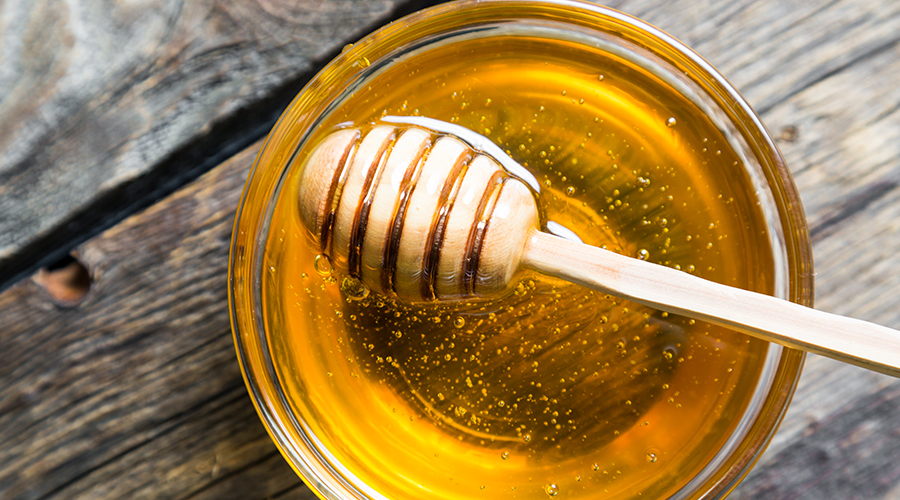
It’s called adulteration, honey
It’s called adulteration, honey Adulterated honey, also known as fake honey is ‘honey’ which has been diluted with, or sometimes even created by using the following components: glucose, dextrose, molasses, sugar syrup, invert sugar, flour, corn syrup and starch, essentially anything other than the natural floral nectar that it is supposed to be comprised of. Adulterated honey is a substance that has more of an artificial influence then a natural one, however, it is packaged, marketed and represented as the ‘real deal’ – a product naturally produced by bees and harvested by farmers. Recently, it has come to light that South African bee farmers have been producing honey that has been adulterated with sugar and other substances, but have been marketing it as [...]
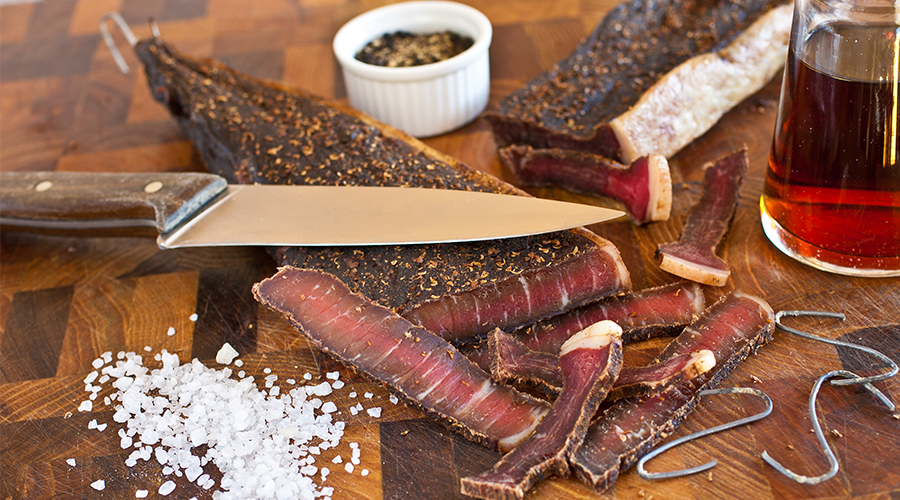
Manic cow: how biltong affects the brain
Manic cow: how biltong affects the brain Biltong is a firm South African family favourite consisting of dried, cured meat. It is preserved using sodium nitrite or potassium nitrate – also known as saltpetre as well as other flavourants such as pepper, coriander and spices such as cloves. Biltong’s origins can be traced back to the Khoisan people, as well as the European settlers of the 17th century. Each had their own way of preserving meat pre-refrigeration technology. The preservation methods included slicing the meat, salting it and hanging it up to dry, as well as using vinegar as part of the curing process. The use of saltpetre, as well as vinegar in the curing of the meat, helps in eliminating certain strains [...]
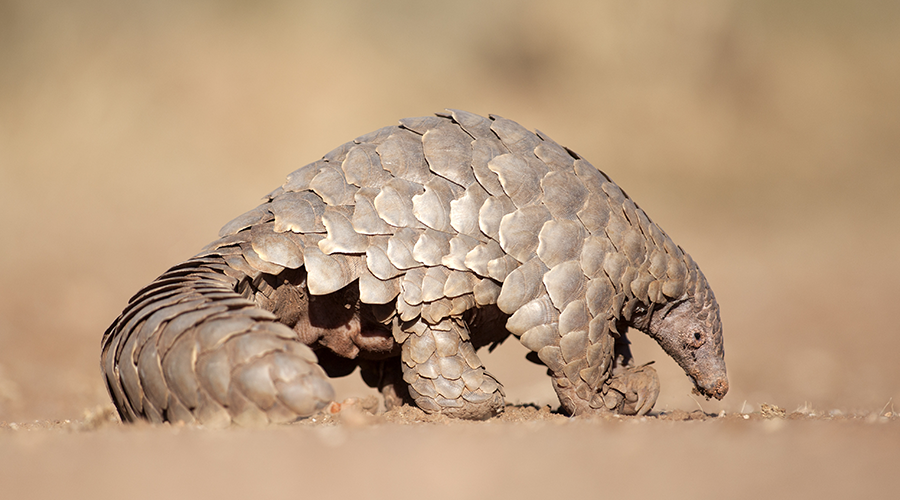
The problematic poaching of Pangolins
The problematic poaching of Pangolins The practice of poaching is abhorrently prevalent across the world and across animal species and has been successful in endangering, if not obliterating entire species. South Africa’s national reserves have become home to poachers on the hunt for popular and pricey illegal exports: namely rhino horns, elephant tusks, big cat body parts and bones as well as pangolin scales. Although South Africa’s poaching is largely associated with the rapidly diminishing rhino population as well as elephants, it is actually the pangolin that is the most poached animal not just locally but in the world. Pangolins are small, scaly nocturnal mammals that subsist on a diet of ants and termites. There are eight different varieties of pangolins that can [...]

‘Snow White’ syndrome: far from a fairy-tale
‘Snow White’ syndrome: far from a fairy-tale Resignation syndrome is an interesting and unique, relatively little-known dissociative syndrome that eventually “induces a catatonic state” in the sufferer. The syndrome is prevalent amongst young people; particularly those who have suffered a psychological trauma- the patients affected by the disorder predominantly live in Sweden and come from refugee or immigrant–based families, often those who have been faced with deportation or family separation. Resignation syndrome is considered by most to be a culture-based illness as thus far it is believed to exist only in Sweden and only amongst asylum-seeking refugees. Also known as the ‘Snow White’ syndrome as termed by Dr Elisabeth Hultcrantz, an ear-nose-and-throat doctor who handles many sufferers of the syndrome, as the patients’ [...]
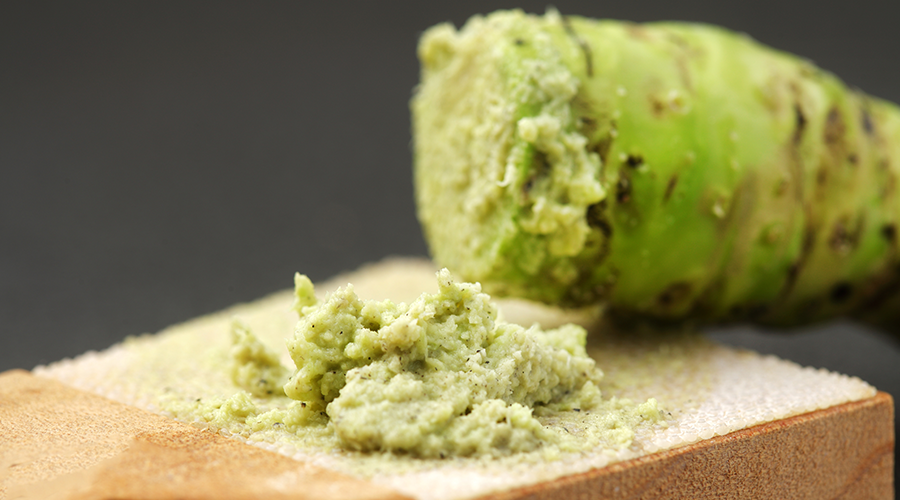
What’s up with wasabi?
What’s up with wasabi? Wasabi, also known officially as wasabia japonica, Japanese horseradish, or more traditionally ワサビ, is a plant that shares common traits with horseradish, cabbage and mustard, as they come from the same plant family, namely the Brassicaceae family. Wasabi has its origin in Japan and usually grows alongside rocky, water-rich areas such as mountain river valleys as well as streams. Wasabi has long been a part of traditional Japanese cuisine and is particularly associated with sushi and sashimi. In its most common form, wasabi is consumed as a paste that can be utilised in the food process such as sushi rolling, or as an accompaniment on the side. It is known principally for its pungent and strong flavour and for having [...]
Become Part of the Vaal University of Technology Research to Further Your Career