
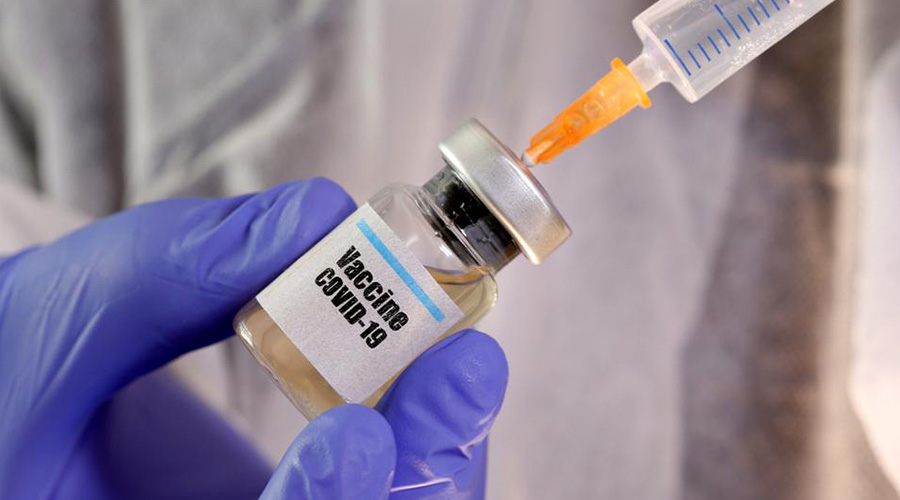
South Africa’s quest for COVID-19 Vaccine
On the 23rd of June 2020, through a virtual conference hosted by the University of the Witwatersrand, it was announced that the first clinical trial in the country for a COVID-19 vaccine known as the South African Ox1Cov-19 Vaccine VIDA-Trial would commence over the coming months. The purpose of the vaccine of course is to prevent future infections of the SARS-CoV-2 virus that causes COVID-19.
As it stands, and at the time this article was written, South Africa has over 220 000 diagnosed cases of COVID-19 and over 3500 deaths attributed to the virus. The month of June has boasted some of the largest single-day infection increases with incremental increases in the levels of infection rising rapidly. This, in addition to the fact that as of the 17th of June 2020, South Africa’s (current population 59 million people) total number of COVID-19 cases equated to 30% of all diagnosed COVID-19 cases on the African continent, and 23% of all COVID-19 related deaths on the continent, are indicative of the need for urgent, preventative action.
The trial is being led by Professor Shabir Madhi who is the Director of the South Africa Medical Research Council (SAMRC) Vaccines and Infectious Diseases Analytics Research Unit (VIDA), as well as a Professor of Vaccinology at the University of the Witwatersrand. Wits University is working alongside the Oxford Jenner Institute as well as the University of Oxford on the VIDA-trial. The trial is being run at various strategic sites across South Africa, and is a “is a landmark moment for South Africa and Africa at this stage of the Covid-19 pandemic” Says Professor Madhi. “As we enter winter in South Africa and pressure increases on public hospitals, now more than ever we need a vaccine to prevent infection by Covid-19.”
The process of screening participants began mid-June, with the aim of vaccinating the first participants before the end of the month. As is the case with all trials and studies if this nature, a thorough review and assessment of the study’s viability, applicability and ethicality is essential. With this in mind, the South African study was reviewed and approved by both South African Health Products Regulatory Authority (SAHPRA) and the Human Research Ethics Committee of the University of the Witwatersrand. In addition, the Department of Agriculture, Forestry and Fisheries (DAFF) has conceded after some public influence and intervention and will therefore allow for the importation of the vaccine for the trial.
South Africa is one of many countries currently working on the development of a viable COVID-19 vaccine, with the US study set to take place on a much larger scale due to the number of estimated participants. Dr Helen Rees, Chair of SAHPRA and Executive Director of the Wits Reproductive Health and HIV Institute (Wits RHI), outlines why it is crucial for South Africa to focus on the development of its own vaccine while remaining in touch and in tune with what is happening in the Northern Hemisphere. This is due to the fact that “this allows evaluation of the efficacy and safety of candidate vaccines to be assessed in a global context, failing which the introduction of many life-saving vaccines into public immunization programmes for low-middle income countries frequently lags behind those in high-income countries.” This in turn ensures that a vaccine is developed with the greater global population in mind, thus increasing the chances of its success.